

The SWAN Well-Being Program is a strategic initiative dedicated to strengthening the health, safety, and future of women, children, and youth impacted by conflict, displacement, and systemic inequality. Formally established in 2013 as the Women’s Well-Being Program (WWP), it evolved out of two of SWAN’s earlier programs: the Health Program (1999) and the Women’s Crisis Support Program (2001).
These initiatives were originally founded to address the humanitarian crisis involving the forced displacement of Shan communities beginning in 1996. Today, the program, now renamed ‘Well-Being,’ delivers comprehensive community-based health services, education support, and emergency assistance to ensure that marginalized populations in the Thai-Burma border region can live with dignity and resilience.
Goal
To enhance the overall well-being of women and children by promoting health, education, and access to crisis and emergency support, enabling them to live with dignity, resilience, and equal opportunities.
Objectives
- To improve the overall health and well-being of local communities (youth, women, and children) through health education, preventive and reproductive health awareness, capacity building of community health workers, and emergency support aimed at reducing morbidity and mortality.
- To uphold the rights and well-being of marginalized children and youth from most vulnerable groups (including refugees, displaced communities, survivors) through access to education
- To provide rapid, secure crisis support, including psychosocial services to women and children, particularly survivors of violence, conflict and disaster-affected IDPs, ensuring their safety, basic needs, rights, and mental well-being are upheld.
Main Activities in Health
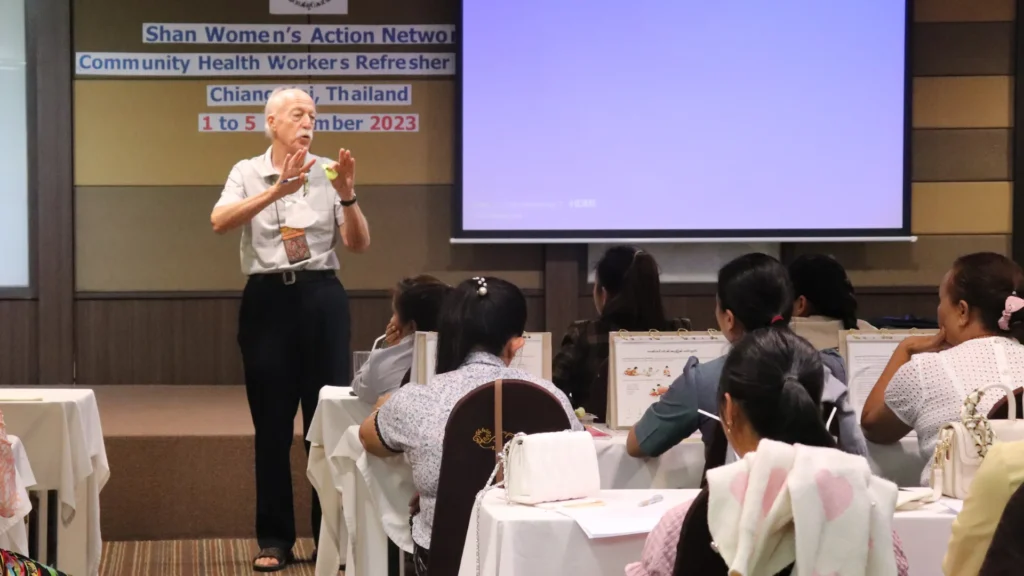
- Annual maternal and child health training for the health workers and special workshops covering topics requested by them.
- Implant training courses have been conducted and the trainees have provided almost 6,000 implant services to women living in rural/remote communities throughout Shan, Kachin, Karenni, Karen, and Mon States as well as the Tharyithanin Division. Implants and medical supplies are provided to the health workers to use in their local areas.
- Training for local Traditional Birth Attendants (TBAs) by the SWAN health workers.
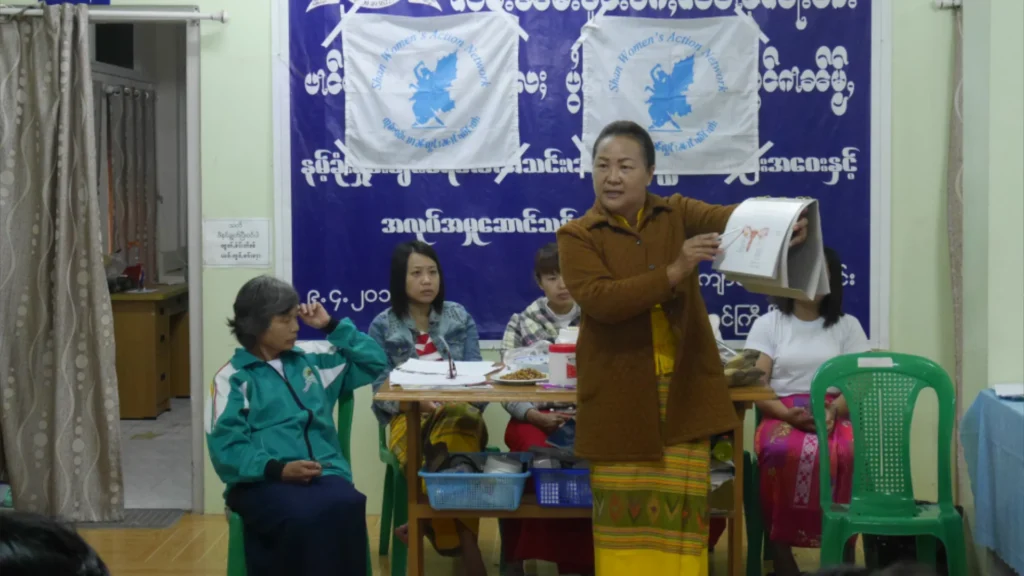
- Conducting village level basic and reproductive health educational sessions for married and unmarried women and men in the community aimed at preventing unwanted pregnancies as well as sexually transmitted infections.
- For the pregnant women’s groups, the topics mainly focus on how to have a healthy pregnancy and the do’s and don’ts for safe delivery. If it is a mixed group of men and women the topics focus on family planning, and how to take care of women’s and children’s health and nutrition. The sessions also include how to prevent seasonal diseases and provide an opportunity for villagers to have their general health questions answered.
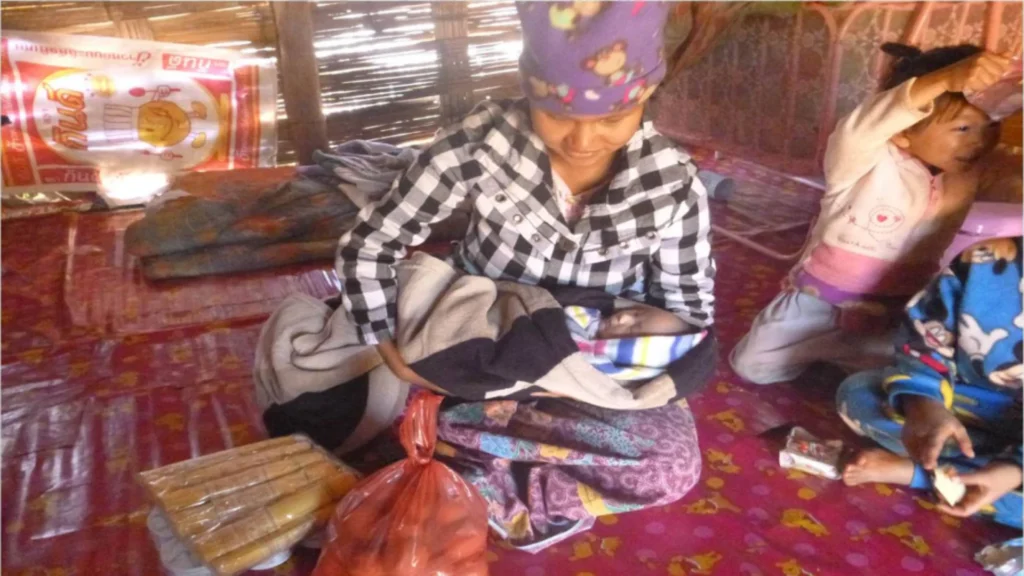
- Home visits to provide antenatal care, delivery support and postnatal care services.
- Working with the government health department for vaccination and Zinc and deworming tablets for pregnant women.
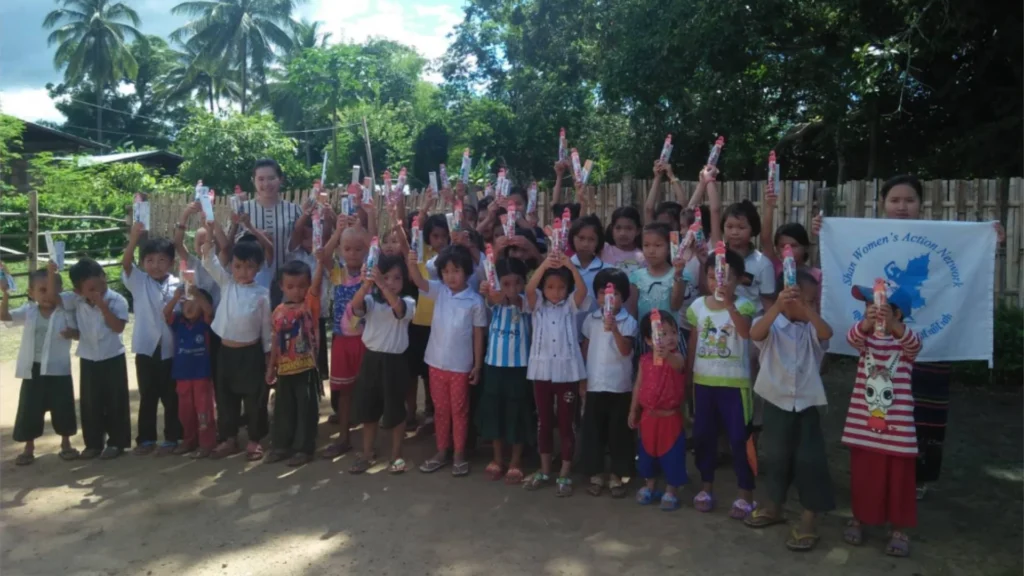
- Conducting village level basic and reproductive health educational sessions for married and unmarried women and men in the community aimed at preventing unwanted pregnancies as well as sexually transmitted infections.
- For the pregnant women’s groups, the topics mainly focus on how to have a healthy pregnancy and the do’s and don’ts for safe delivery. If it is a mixed group of men and women the topics focus on family planning, and how to take care of women’s and children’s health and nutrition. The sessions also include how to prevent seasonal diseases and provide an opportunity for villagers to have their general health questions answered.
Main Activities in Education
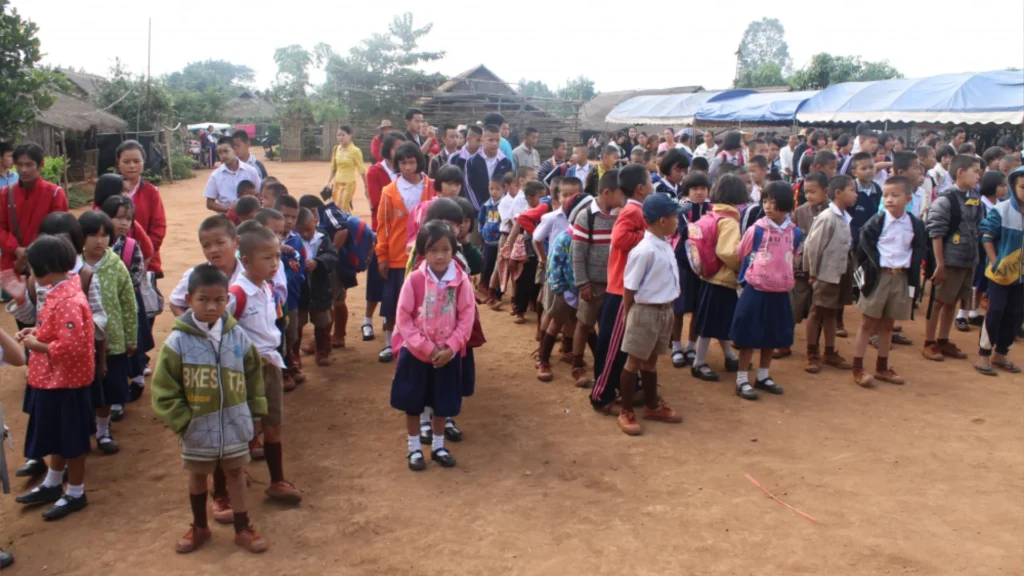
SWAN provides salaries for the teachers, distributes learning resources, and offers healthy lunches for students as well as provides funds for transportation to take students to and from school. This support is for three nursery schools and one primary schools in Piang Luang and Fang districts. The 3 nursery schools are community run, one primary school is a branch of a Thai school, and one is a Thai primary school with many migrant children. The children thus benefit from a Thai curriculum and accreditation.
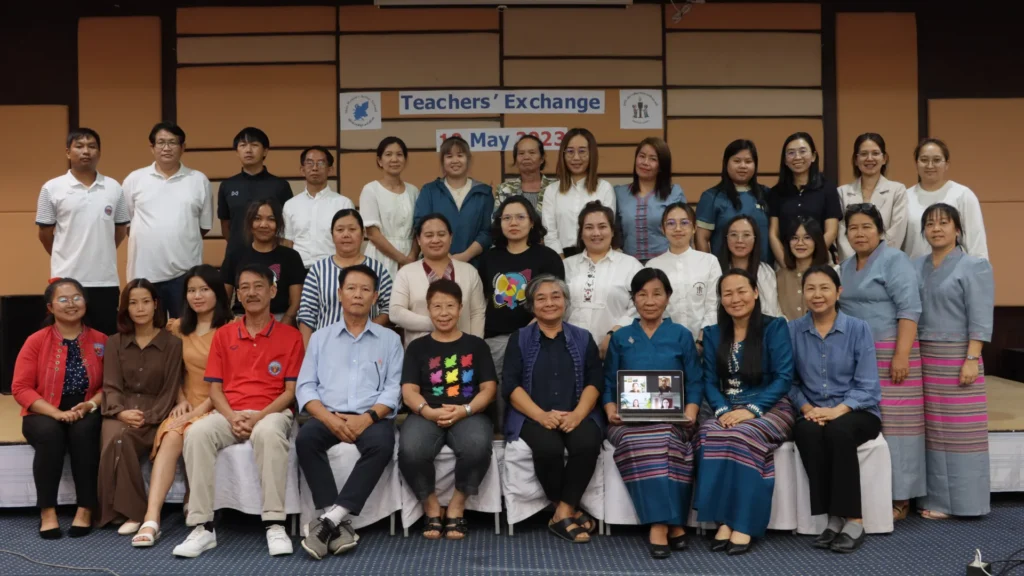
Special courses are regularly scheduled for approximately 20-30 teachers. For most of the teachers this is their only opportunity to obtain refresher or continuing education. This is very important as many only graduated from high school and became volunteer teachers in their community, while others graduated from university in a range of subjects but have not received teacher training. Recently, the program has provided teacher training on child development, and distributed teaching materials to the teachers.
SWAN supports vocational education for children with disabilities at a Thai secondary school.